Carrying your Cross: Chapter 2. In the last chapter of the Salvation series, we examined what salvation is from the perspective of Scripture. We saw that salvation is being set free from sin and its penalty.
We also saw that Christ stands at the center of salvation – the remedy to the fall of man and the death sentence that was placed on humanity in the Garden of Eden.
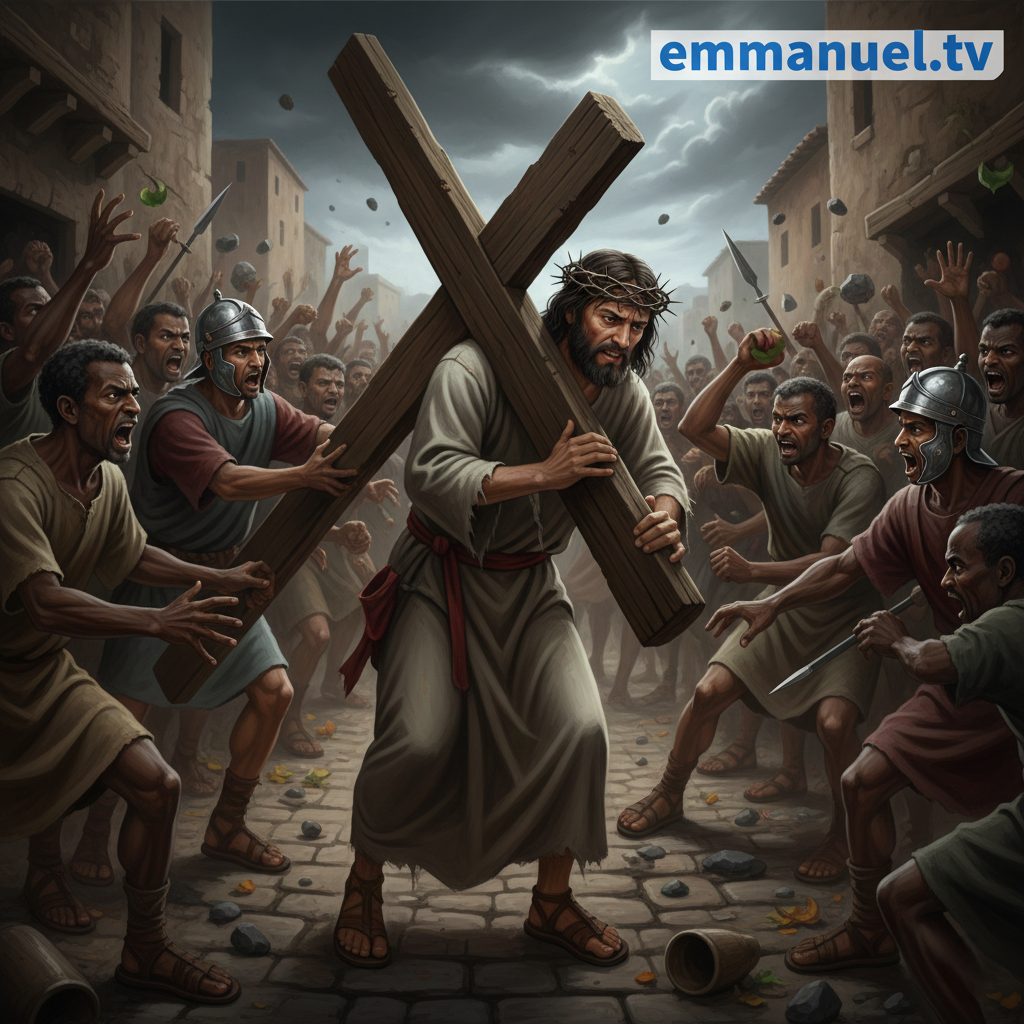
Having understood what salvation is about, in this chapter we will examine one of the most challenging yet life-giving calls given to everyone who has believed in Jesus and been saved: “If anyone would come after Me, let him deny himself, take up his cross, and follow Me” (Matthew 16:24).
Before we proceed to understand this call, it is important to know that merely knowing facts about Jesus does not change your relationship with Him.
Jesus said that if you do not take up your cross and deny yourself and are even willing to be killed for your belief in Him, you are not worthy of Him.
What does it truly mean to carry your cross? Is it suffering, sacrifice, obedience, or all of these combined?
Carrying Your Cross: What Does This Mean?
The term carrying your cross becomes clearer when we understand, by revelation, what the Apostle Paul meant in Romans 6:16. To live out the reality of carrying your cross, we must understand salvation from the mindset of a sale and a transaction.
In this regard, T.B. Joshua likened salvation to a sale and a transaction. What does this mean?
Consider the case of Joseph in Genesis 37:28, who was sold for twenty pieces (shekels) of silver by his brothers to Midianite/Ishmaelite traders. They, in turn, sold him to Potiphar, an officer of Pharaoh and captain of the guard in Egypt.
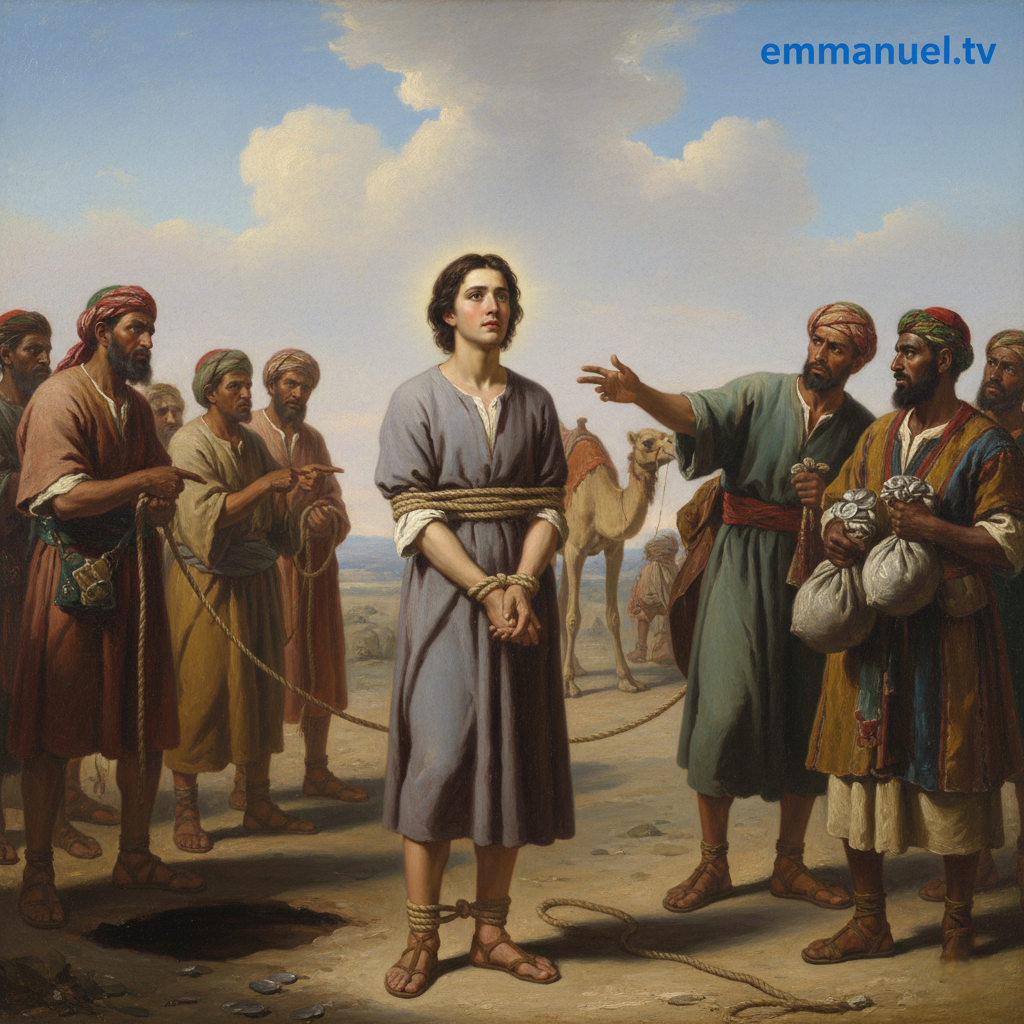
While Joseph was in the custody of Potiphar, he lived according to his master’s instructions. At the command of his mouth, Joseph’s feet moved swiftly to carry them out.
The Apostle Paul puts it this way in Romans 6:16: “Don’t you know that when you offer yourselves to someone as obedient slaves, you are slaves of the one you obey…”
In verse 18, he continues: “…Just as you used to offer yourselves as slaves to impurity and to ever-increasing wickedness, so now offer yourselves as slaves to righteousness, leading to holiness.”
Salvation is indeed a sale; it is a transaction. Christ bought and paid for us. What a terrible price Christ had to pay for us. To carry your cross means to say, like the Apostle Paul in Galatians 2:20: “I have been crucified with Christ. It is no longer I who live, but Christ who lives in me. And the life I now live in the flesh I live by faith in the Son of God, who loved me and gave Himself for me.”
When we do this, we literally sell ourselves to Him. We become debtors. We no longer belong to ourselves; we are servants.
Conclusion
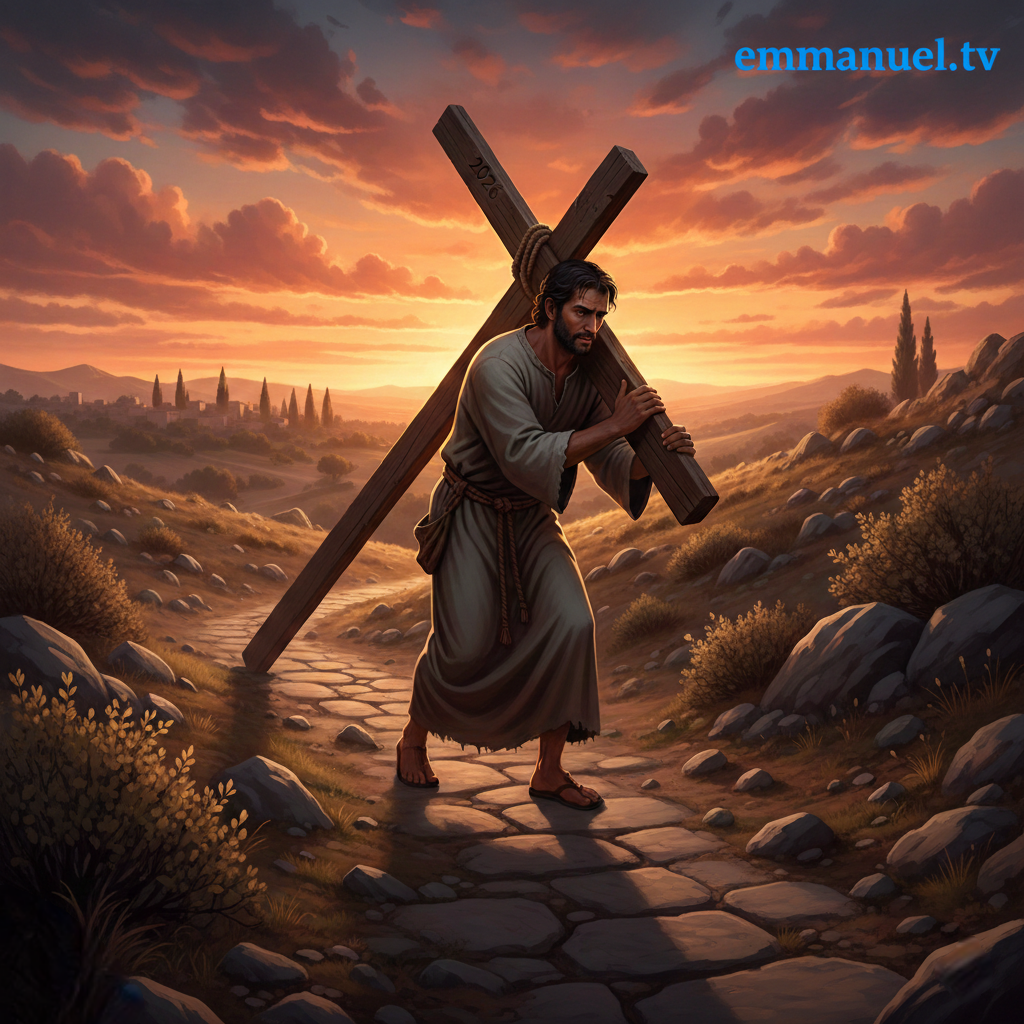
Carrying the cross is not merely an act of endurance in times of suffering; it is a daily surrender of ownership. Through the price paid by Christ, we have been bought out of sin and transferred into a new lordship. Just as a slave lives for the will of his master, so the believer lives for Christ alone.
To carry your cross, therefore, is to accept that your life is no longer your own. It is to die daily to self, personal ambitions, and former allegiances, and to live fully for the One who redeemed you at such a great cost.
This is not loss; it is the highest form of freedom. True life begins when Christ becomes not just Savior, but Lord.
Jesus will not grant salvation to those who do not endure to the end. He will come like a thief in the night – no one knows when or how. The beginner is not the owner; the finisher is. Salvation is not given to those who begin the journey but to those who endure to the end.
Next Chapter – Salvation is a Warfare
The level at which satan attacks us often corresponds to the depth of our commitment to God.
The moment you are born again when you repent, convert, and receive salvation you become an object of satan’s hostility. Just as he hates Christ, he now hates those who belong to Christ. From the very moment of salvation, you are engaged in a profound and ongoing spiritual battle.
Salvation is not the end of the conflict; it is the beginning of the war.